
7 Top Heating Tips for Tented Winter Outdoor Events
Winter events in New England can be warm and comfortable as long as you plan the heating and insulation correctly. Tents behave differently than indoor venues, so the setup has to account for temperature, airflow, and how quickly heat can escape.
At Baystate Tent, we use a simple process: calculate heat based on the average temperature of your event date, plan beyond the minimum BTUs, and add insulation so the heat stays inside the tent. These heating tips for tented events will help you keep guests comfortable from setup through the final hour of your celebration.
Key Summary
- Baystate will use your event’s dates lowest temperature to calculate the right number of heaters.
- Fully enclose the tent and use a proper entry to avoid cold air.
- Use more heaters than the basic minimum.
- Bring extra propane—Baystate cannot supply propane.
- Install flooring to stop heat loss from the ground.
- Add fabric décor to trap warmth.
- Learn more about winter tenting here
1. Calculate Heat Based on Your Event Date
Heating a tent is more than “one heater per tent size.”
We calculate heater requirements using:
- Your event date
- The average temperature for that time of year
- The estimate low temperature of the day
- Tent size and layout
- BTU power of each heater
This approach gives you accurate heat levels for real winter conditions—not just averages. Heating tips for tented events always start with numbers, not guesses.
2. Use More Heaters Than You Think
It’s easier to maintain warmth than regain it after the tent cools down.
Adding extra heat is one of the most effective heating tips for tented events because:
- Cold air comes in each time the door opens
- Wind reduces inside temperature
- Guests feel cold faster than you expect
- Outdoor temps drop quickly after sunset
A warm tent sets the tone for a comfortable event. This makes all the difference between a bad experience and an elevated event!

3. Plan Your Propane Early — and Buy More Than You Need
Indirect-fired heaters run on propane, and tents require heat even before the event starts.
Important reminders:
- Baystate Tent cannot supply propane
- Buy extra propane for setup and pre-heating
- Never estimate propane based on “event hours only”
Running out of propane cools the tent fast and is hard to recover from once guests feel cold.
4. Install Sidewalls to Keep Heat Inside
Sidewalls act as insulation for winter tent events. They are essential, and not an option for winter events. Sidewalls block wind, trap warm air, reduce drafts, and create a sealed tent. Sidewalls are essential. Without them, heaters cannot keep up with outdoor temperatures.
For more insulation options, visit https://www.baystatetent.com/holiday-tents-in-massachusetts
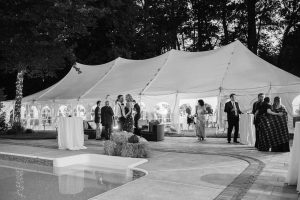
5. Add Flooring to Prevent Heat Loss Through the Ground
Cold rises through the ground and spreads throughout the tent. A great heating tip for tented winter outdoor events is to add flooring – not only does it make a difference for guest comfort, but it looks great too!
Adding flooring:
- Keeps guests’ feet warmer
- Helps maintain stable temperatures
- Makes the tent feel like a banquet hall
- Creates a more comfortable walking surface
This is one of the most underrated heating tips for tented events, but it makes a huge difference.
6. Use Fabrics to Add Warmth and Insulation
Fabric materials help retain warmth and soften the feel of the tent, especially during an outdoor winter event.
Add items such as:
- Drapes
- Tablecloths
- Rugs
- Runners
- Fabric backdrops
These help insulate the space and reduce the “cold bounce” that can happen inside tents. Soft seating—like sofas and upholstered chairs (Baystate does not carry these)—also stays warmer than metal or plastic furniture. When choosing chairs, pick either a chiavari or cross back chair with a soft cushion to keep guests more comfortable and warm!
7. Keep the Tent Enclosed and Use a Proper Entry System
Cold air is your biggest enemy when hosting an outdoor winter event.
To control airflow:
- Keep the tent fully enclosed
- Add a door system
- Use a marquis-style entry tent to block incoming cold air
A marquis acts like an airlock. Guests move through one enclosed space before entering the main tent, preventing heat loss. This is one of the most visually appealing and high end strategies for winter outdoor events.
A Personal Note: How I Kept My Own November Engagement Party Warm
I recently hosted my engagement party on November 22nd, and we used a winter tent setup for the whole event. We installed a floor, sidewalls, several heaters, and a marquis tent that connected the main tent to the house. I also draped parts of the main tent, and I fully draped the marquis. Doing that made the entry feel like a completely different space instead of a pass-through area.
The best part was how comfortable it felt inside. Guests kept saying how warm it was, and no one complained about the temperature. People told me it felt like they had stepped into a banquet hall, not a tent in late November. That’s how much of a difference the flooring, extra heat, and enclosed entry made.
Seeing the setup work so well at my own event is a big reason I recommend these heating and insulation choices to anyone hosting a winter tented event. When everything is planned correctly, the tent doesn’t feel cold at all—it feels intentional and welcoming.

Final Thoughts
These heating tips for tented winter outdoor events work together to create a warm and comfortable environment even in New England winter conditions. When you choose the right number of heaters, plan your propane, install sidewalls and flooring, and use fabrics to hold heat, a tent can feel just like an indoor venue.
If you want help planning heat for your winter event, Baystate Tent can review your date, location, tent size, and layout to create the right setup for your guests. Contact us today!

Wedding Whisperer | Dog Mom | Creative Enthusiast
Samantha has been an integral member of the Baystate Tent team since 2016, combining a lifelong passion for event design with a deep understanding of logistics and client care. Earning her Wedding Planning Certificate from the University of New Hampshire, she brings both creative vision and meticulous attention to detail to every celebration. Samantha excels at orchestrating seamless events, ensuring that each couple’s vision is brought to life with precision and elegance. Outside of work, Samantha is a certified yoga teacher who offers calming bridal yoga sessions, helping couples start their big day with balance and mindfulness. A true lake girl, Samantha spends her downtime soaking up sunshine by the water with her black lab, Frankie, with a good romance novel in hand.