
Tent Series: What Is a High Peak Frame Tent? A Simple Guide for Events
Many people recognize a high peak frame tent by its tall peaks and clean shape, but they’re not always sure when it’s the right choice. This guide explains what a high peak frame tent is, how it’s built, where it can be installed, and why it’s commonly used for festivals, catering support, and events where canopy tents aren’t an option.
TLDR / Key Summary
- A high peak frame tent is a frame-supported tent with a raised center peak.
- Uses cross cables, not interior support poles.
- No center poles, which keeps the interior open and more flexible.
- Can be installed on grass, pavement, or hard surfaces.
- Commonly used for festivals, caterer tents, vendor tents, and private events.
- Often called cable frame tents, festival frame tents, or high peak frame tents
- Frequently mistaken for pop-up tents, but built with thick white vinyl and solid aluminum frames.
- Available in multiple small and mid-size footprints and can be guttered together to create larger layouts.
- If you need larger frame tent sizes, QuickTrack Frame Tents are the next step up.
What Is a High Peak Frame Tent?
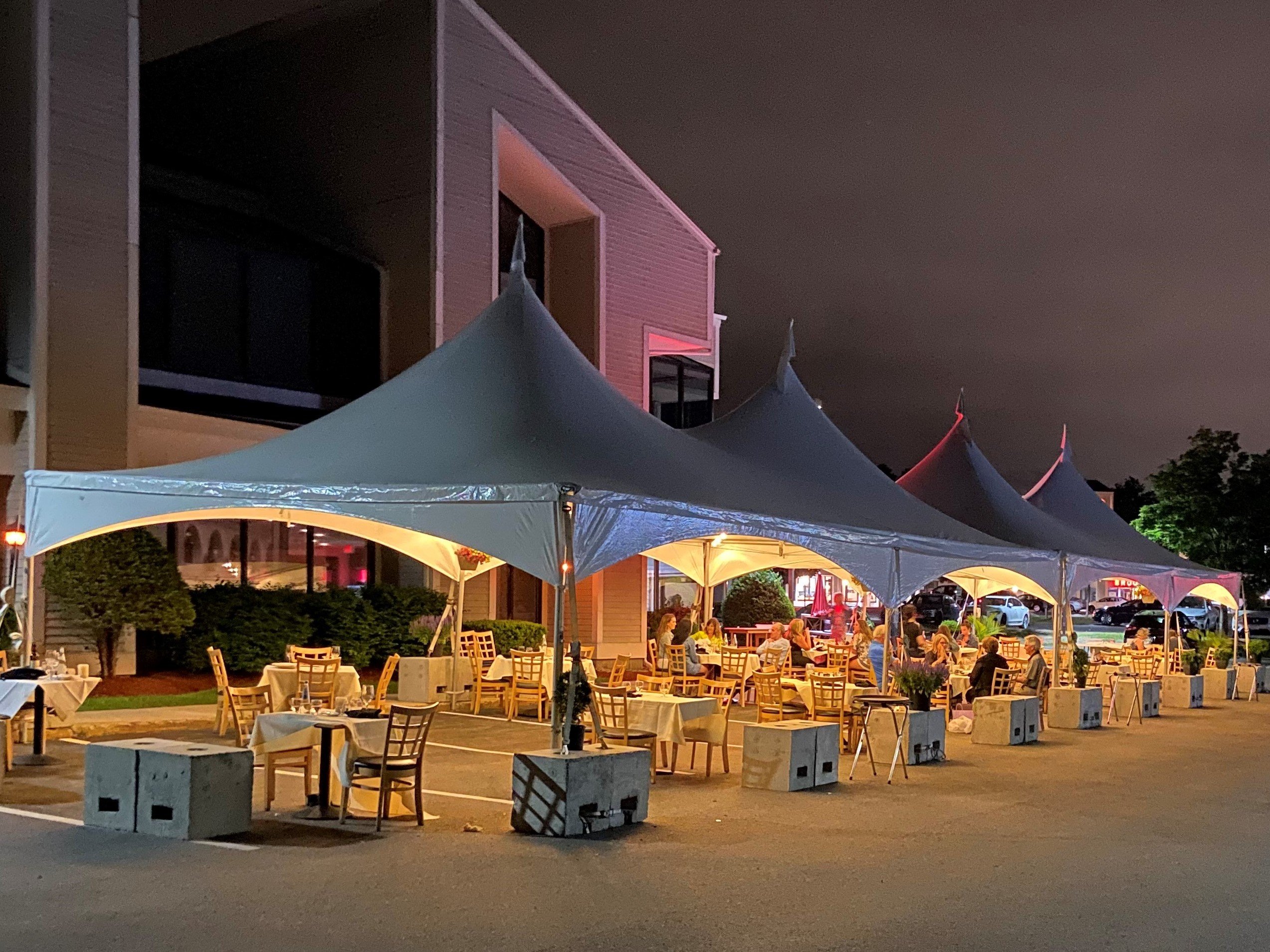
A high peak frame tent is a frame-style event tent with tall, pointed peaks—often finished with decorative flags—supported by an aluminum frame and cross cables, rather than center poles.
When people ask, “What is a high peak frame tent?”, the simple answer is: A high peak frame tent is a freestanding tent with a tall peak, open interior, and aluminum frame support instead of center poles.
High peak frame tents are commonly used for festivals, catering tents, vendor areas, and events where a canopy tent may not work — especially on pavement or hard surfaces.
How a High Peak Frame Tent Is Built
High peak frame tents are sometimes called cable frame tents because of how they’re engineered. The raised center peak is supported by cross cables and is often finished with a small flag at the top, which is a common visual feature of high peak frame tents. The structure includes:
- Thick white vinyl tent top
- Solid aluminum frame system
- Cross cables extending from each corner fitting
- Perimeter legs for support
- Anchoring through stakes or weighted ballast, depending on the surface
- Beautiful flags at it’s peak
High peak frame tents are often mistaken for pop-up tents, but they are professional-grade structures designed for all types of private and corporate events, multi-day events, and commercial use.

Where High Peak Frame Tents Can Be Installed
One of the biggest advantages of a high peak frame tent is surface flexibility.
High peak frame tents can be installed on:
- Grass
- Pavement
- Concrete
- Patios
- Pavers
- Hardscape areas
On grass, the tent is typically staked. On hard surfaces, it is weighted. Both installation methods meet safety requirements when done correctly. Baystate Tent uses concrete blocks to secure the tent when not staking, which is the safest method!

This makes high peak frame tents a reliable option for venues where canopy tents can’t be staked or where the surface is mixed.
Staking Clearance Requirement
When stakes are used, high peak frame tents require 5 extra feet of clearance on all sides.
Example:
A 20×20 high peak frame tent requires a 25×25 unobstructed area for installation. The surface must be level and continuous. Obstacles such as curbs, walls, steps, fire pits, or elevation changes can prevent installation.
High Peak Frame Tent Sizes at Baystate Tent
High peak frame tents are available in a wide range of smaller and mid-size footprints, making them useful for everything from catering support to full event layouts.
| Tent Size | Seated Capacity (Tables Only) | Standing Capacity (Open Space) | Typical Event Size / Use | Base Price |
|---|---|---|---|---|
| 10×10 | ~6 guests | ~20 guests | Single table; food tent, vendor tent | $220 |
| 10×20 | ~12 guests | ~40 guests | 2 tables; food tent, vendor tent, small event | $430 |
| 10×30 | ~20 guests | ~60 guests | 3 tables; food tent, small event | $645 |
| 15×15 | ~15 guests | ~45 guests | 2 tables; food tent, small event, catering tent | $485 |
| 15×30 | ~30 guests | ~86 guests | 4 small tables or 2 standard tables; small event | $545 |
| 20×20 | Up to 40 guests | ~80 guests | 4 tables; 20–40 guest event | $520 |
| 20×30 | Up to 60 guests | ~120 guests | 6 tables; 40–60 guest event | $630 |
| 20×40 | Up to 80 guests | ~160 guests | 8 tables; 40–80 guests, small wedding (~40 guests) | $745 |
Pricing shown reflects base tent rental only. Installation method, surface type, anchoring, and accessories will affect final cost. Seated capacities reflect tables only. Standing capacities reflect open space.
These tents can be used individually or guttered together to create larger covered areas. Guttering allows multiple tents to connect while remaining weather-protected, which is common for festivals, vendor rows, and catering setups.
If you’re looking for a single large frame tent rather than multiple connected tents, QuickTrack Frame Tents are usually the better option.
What High Peak Frame Tents Work Well For
High peak frame tents are most often chosen for practical coverage and flexible layouts.
They work well for:
- festivals
- caterer tents
- vendor tents
- small to mid size private parties
- corporate events
- check-in or support spaces
Because they don’t rely on center poles and can be installed on hard surfaces, they’re often used in locations where canopy tents are not possible.
Pros and Considerations
This tent style has clear advantages, but it’s important to understand what it does — and doesn’t — offer.
| Pros | Considerations |
|---|---|
| Open interior with no center poles | More expensive than small canopy tents |
| Can be installed on grass or pavement | Available in smaller sizes (10×10–20×40) |
| Strong aluminum frame and thick vinyl top with flags | Not made for large events (unless used for catering or accessory tents) |
| Flexible layouts and modular sizing | |
| Can be guttered together for larger areas | |
| A reliable, go-to tent for many event types |
Small Canopy Tent vs. High Peak Frame Tent
Small canopy tents and high peak frame tents often come in similar sizes, which is why people struggle to choose between them. The difference comes down to surface type, layout flexibility, appearance, and budget.
A small canopy tent is the most basic tent we offer. It’s less expensive, must be installed on grass or dirt, and uses center poles. It works well for simple coverage, casual backyard events, or situations where the tent is purely functional and budget is the main priority.
A high peak frame tent is the next step up. It costs more, but it offers far more flexibility. You’ll often recognize high peak frame tents by their tall peaks and small flags at the top—something canopy tents do not have. High peak frame tents can be installed on grass, patios, driveways, and pavement. They have no center poles, which makes layouts easier for tables, dance floors, and bars. Visually, they look cleaner, more polished, and more intentional. If the tent is guest-facing or part of the overall design, a high peak frame tent is usually the better choice.
| Small Canopy Tent
|
High Peak Frame Tent
|
|---|---|
| Most basic tent we offer | More polished, professional tent option |
| Lower cost | Higher cost |
| Grass or dirt only | Grass, patios, driveways, or pavement |
| Must be fully staked | Can be staked or weighted |
| Uses center poles which limit layouts | No center poles which allows flexible layouts |
| Best for casual, functional coverage | Better for nicer events |
| Simple & basic look | Clean, structured, intentional appearance |
| Limited flexibility for dance floors and bars | Ideal for dance floors, bars, and clean layouts |
| Good for budget-focused events | Better when appearance and layout matter |
Recent Frame Tent Projects
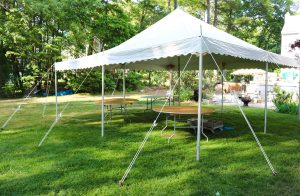
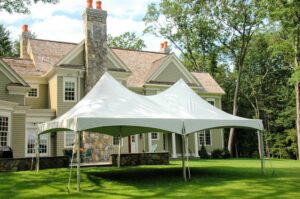
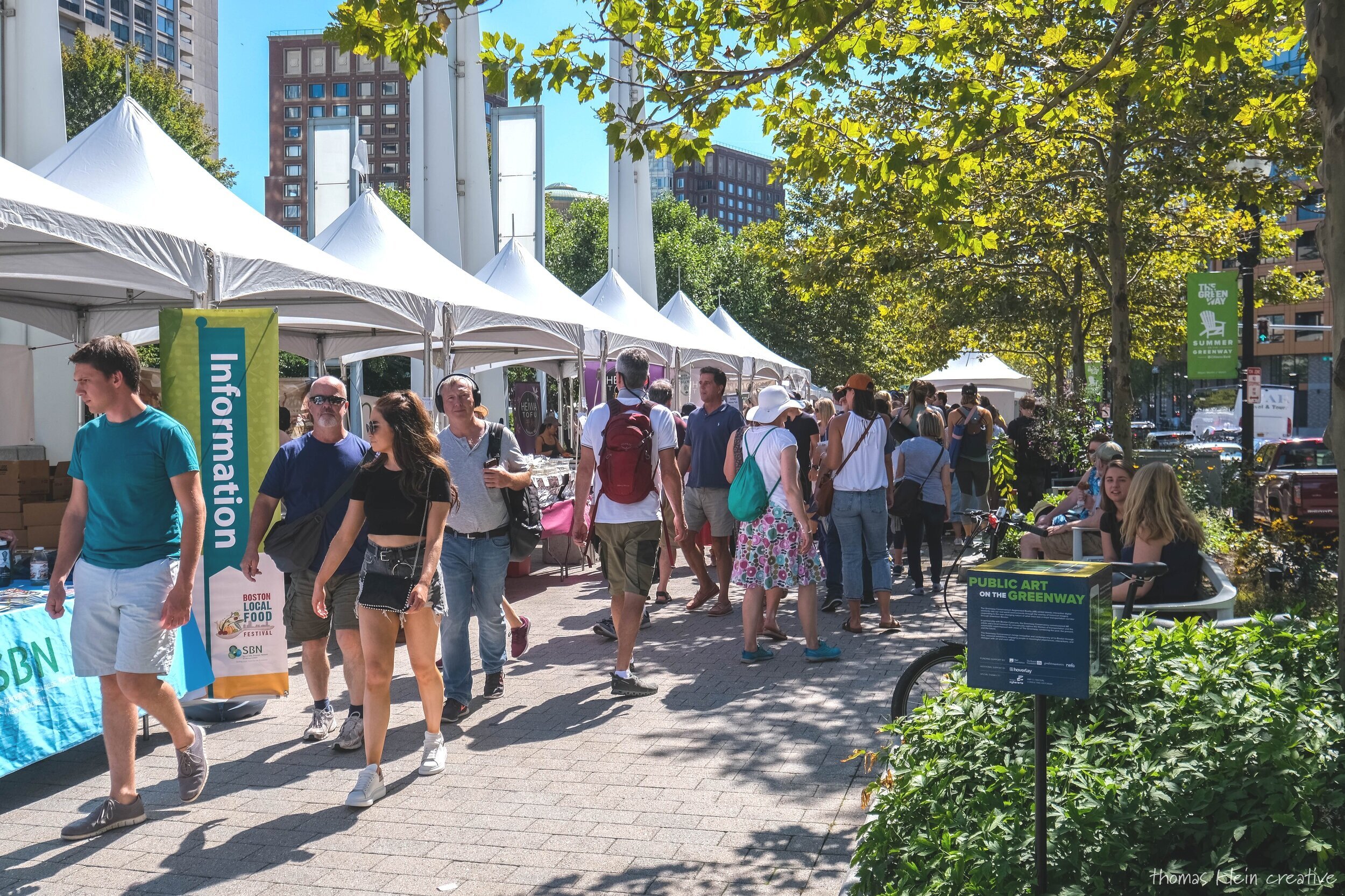
Below are a few galleries of frame tented events we’ve been honored to be a part of. High peak frame tents are a staple for festivals and large public gatherings because they’re reliable, flexible, and work well on mixed or paved surfaces.
Frequently Asked Questions
- What is a high peak frame tent?
A high peak frame tent is a freestanding tent with a raised center peak and no interior support poles. - Are high peak frame tents the same as pop-up tents?
No. High peak frame tents are professional-grade structures made with thick vinyl and aluminum frames. They are much safer than pop up tents. - Can high peak frame tents be installed on pavement?
Yes. They can be weighted and installed on hard surfaces. - Do high peak frame tents need to be staked?
They can be staked on grass or weighted on pavement. - Can multiple high peak frame tents be connected together?
Yes. They can be guttered together to create larger covered areas.
Explore More in the Tent Series
- Full Guide: Types of Event Tents
- Tent Series: Canopy Tent Guide
- Tent Series: Sailcloth Tent Guide
- Tent Series: Clear Top Frame Tent Guide
- Tent Series: QuickTrack Frame Tent Guide
- Tent Series: Structure Tent Guide
Final Thoughts
A high peak frame tent is a practical, flexible option when you need reliable coverage on a variety of surfaces. It’s especially useful for festivals, catering support, and events where a canopy tent won’t work.
If you’re not sure which tent type fits your site or event needs, we’re happy to help you compare options and plan the right setup! Contact us today for more information and a free quote!